Scrap Car: A Complete Guide to Selling and Recycling Your Vehicle
Dealing with an old, damaged, or non-functional vehicle can be stressful, especially when repair costs exceed its value. This is where the concept of a Scrap Car becomes highly relevant. Instead of letting your vehicle sit idle and lose value over time, scrapping it can be a smart, eco-friendly, and profitable solution.
What Is a Scrap Car?
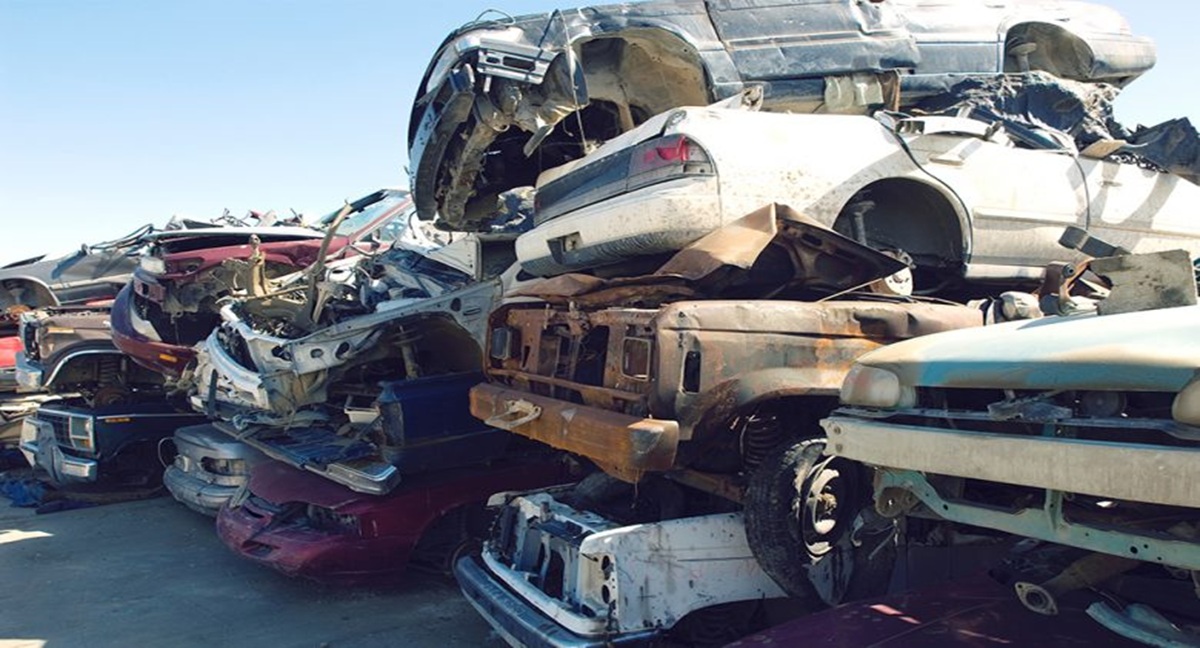
A scrap car refers to a vehicle that is no longer roadworthy due to age, damage, or mechanical failure. These vehicles are typically sold to recycling companies or scrapyards, where usable parts are salvaged and the remaining materials are processed for reuse. Choosing to sell a scrap car helps you recover some value while ensuring responsible disposal.
Why You Should Scrap Your Car
There are several reasons why owners decide to scrap their vehicles. One of the most common is the high cost of repairs compared to the car’s market value. If your car has been in an accident or suffers from major engine issues, it may not be worth fixing.
Another important reason is environmental responsibility. Old vehicles can emit harmful pollutants and leak hazardous fluids. Recycling a scrap car reduces environmental damage and promotes sustainable practices.
Additionally, scrapping your vehicle frees up space and eliminates ongoing costs such as insurance, maintenance, and parking.
Benefits of Selling a Scrap Car
Selling a scrap car comes with multiple advantages. First, it provides instant cash, even for vehicles that no longer run. Scrap dealers evaluate your car based on its weight, condition, and usable parts, offering a fair price accordingly.
Second, the process is usually quick and hassle-free. Many companies offer free towing services, making it easy to get rid of your vehicle without additional expenses.
Third, it supports recycling efforts. Metals like steel and aluminum can be reused in manufacturing, reducing the need for raw materials and energy consumption.
How to Prepare Your Car for Scrapping
Before selling your vehicle, there are a few essential steps to follow. Start by removing all personal belongings from the car, including documents, accessories, and valuables. Check the glove compartment, trunk, and under the seats carefully.
Next, cancel your insurance and notify the relevant authorities about your decision to scrap the vehicle. This ensures you are not held responsible for any future issues related to the car.
You should also remove the license plates and return them if required by your local regulations. Proper documentation is crucial when selling a scrap car to avoid legal complications.
Factors That Affect Scrap Car Value
The value of a scrap car depends on several factors. The most important is the vehicle’s weight, as scrap prices are often calculated per ton of metal. Heavier vehicles generally fetch higher prices.
The condition of the car also plays a role. If certain parts such as the engine, transmission, or battery are still functional, they can increase the overall value.
Market demand for scrap metal fluctuates, which can impact the price you receive. It’s always a good idea to compare quotes from different buyers before making a decision.
Choosing the Right Scrap Buyer
Selecting a reliable buyer is essential to ensure a smooth transaction. Look for licensed and reputable scrapyards or recycling companies with positive customer reviews.
A trustworthy buyer will provide a transparent quote, handle paperwork, and offer convenient pickup services. Avoid dealing with unverified buyers who may not follow proper disposal practices.
You can also consider online platforms that connect sellers with multiple buyers, allowing you to get the best deal for your scrap car.
The Scrap Car Recycling Process
Once your vehicle is sold, it goes through a structured recycling process. First, all hazardous fluids such as oil, coolant, and fuel are safely drained and disposed of.
Next, usable parts are removed and resold in the second-hand market. These components help extend the life of other vehicles and reduce waste.
The remaining car body is crushed and shredded into smaller pieces. Metals are then separated and sent to manufacturers for reuse. This efficient system ensures that almost every part of a scrap car is utilized.
Legal Requirements for Scrapping a Vehicle
Different regions have specific regulations for scrapping vehicles. Generally, you will need to provide proof of ownership, identification, and vehicle registration documents.
Some authorities require a certificate of destruction to confirm that the vehicle has been permanently removed from the road. This document is important for avoiding future liabilities.
Make sure you follow all legal procedures to ensure a safe and compliant transaction when selling a scrap car.
Common Mistakes to Avoid
Many car owners make mistakes when scrapping their vehicles. One common error is not comparing multiple offers, which can result in a lower price.
Another mistake is failing to remove personal items or cancel insurance policies. This can lead to unnecessary complications later on.
Some sellers also overlook the importance of proper documentation, which can cause legal issues. Being informed and prepared can help you avoid these pitfalls.
Conclusion
Scrapping an old or damaged vehicle is a practical and environmentally responsible decision. Whether your car is no longer functional or simply not worth repairing, selling it as a scrap car allows you to recover value while contributing to recycling efforts.
By understanding the process, preparing your vehicle properly, and choosing a reliable buyer, you can ensure a smooth and profitable experience. Instead of letting your unused car take up space, consider turning it into an opportunity through responsible scrapping.